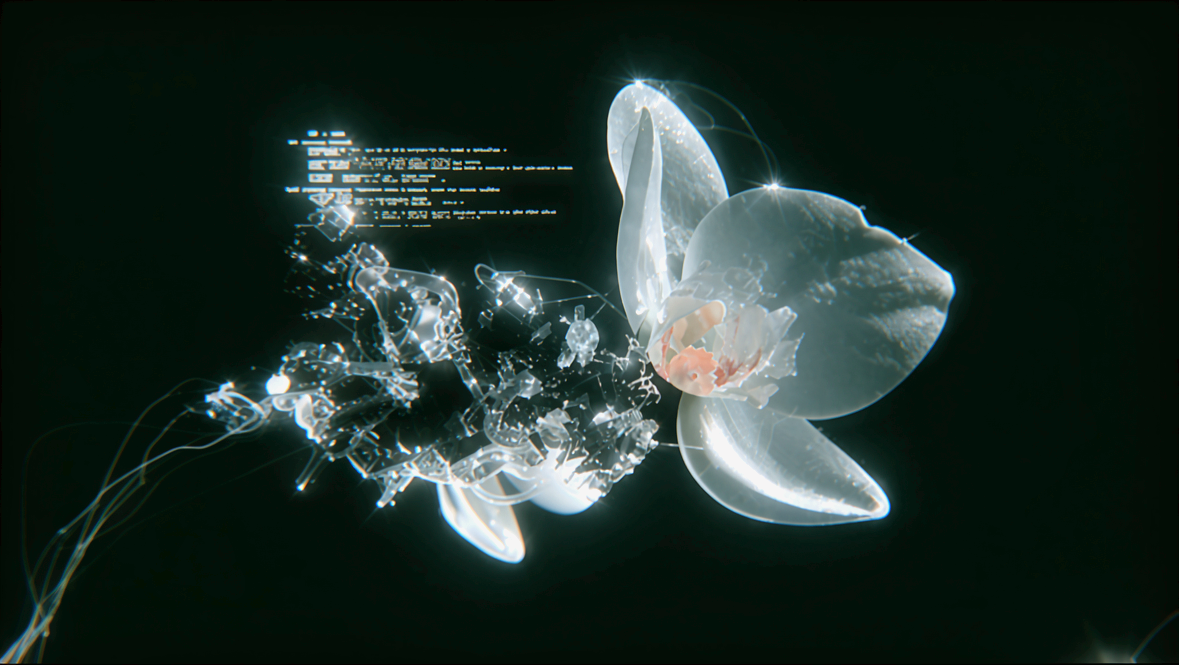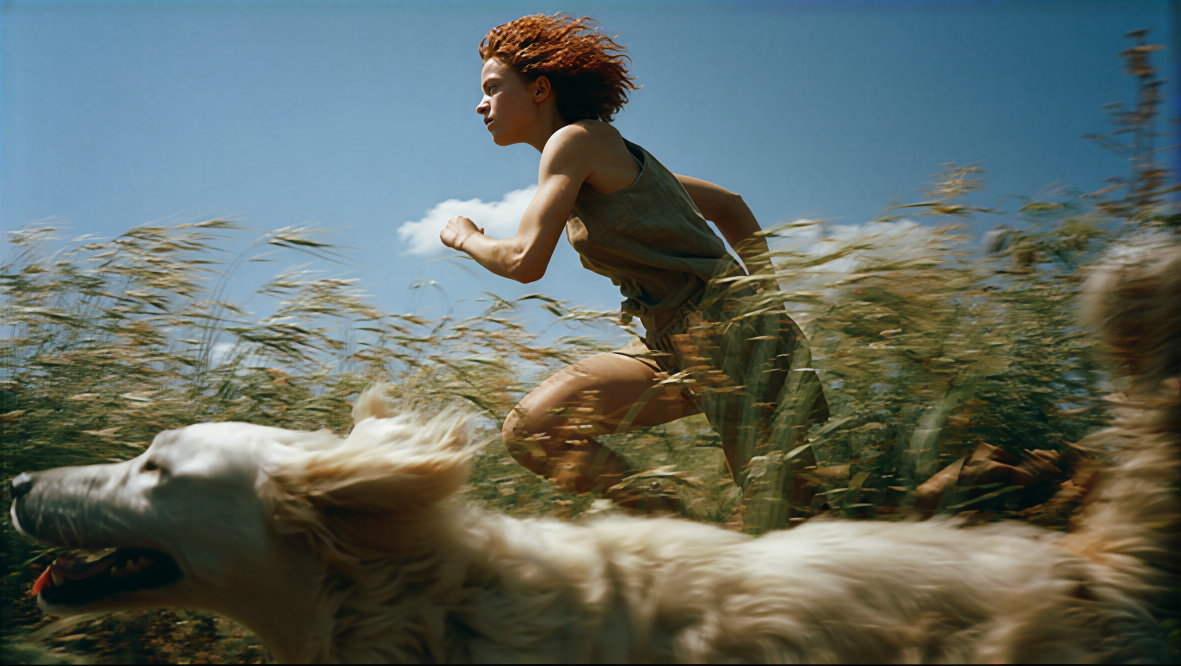
This ComfyUI workflow turns plain-language prompts into short videos using the Kling O1 model. At its core is the KlingOmniProTextToVideoNode, which sends your prompt to the Kling service and receives a generated clip. The node handles prompt text and generation options (such as clip length and size), then passes the resulting video to SaveVideo, which writes the output to disk.
Technically, the KlingOmniProTextToVideoNode is the generation engine: it packages your prompt and settings, calls the Kling O1 API, and outputs a video stream or frame sequence as a single node result. The SaveVideo node consumes that output and saves it to a file, where you can control basics like output path and frame rate. For best results, write prompts that clearly define the subject, action, setting, and camera behavior (for example: "wide shot, slow dolly-in, golden-hour lighting"). Keep durations and resolutions within the node’s supported ranges to reduce errors and queue times. If the node exposes a seed, fix it to make variations more reproducible.
API
從程式碼使用此工作流
每個 Comfy 工作流都是一個 JSON 圖。下方的 payload 就是此工作流,與 ComfyUI 執行時完全相同 — 你可以從此 URL 取得、放入版本控制,或在 ComfyUI 載入並逐節點執行。
使用 Comfy SDK 以 TypeScript 或 Python 執行。相同程式碼可用於 Comfy Cloud 或你自架的 ComfyUI — 只需更改 base URL。
// Install (beta)
npm i @comfyorg/sdk

// Run "Kling O1: 文生影片" (TypeScript)
import { Comfy } from "@comfyorg/sdk";

const client = new Comfy({ apiKey: "comfyui-..." });

// This workflow, exported in API format (see note below)
const wf = await client.workflows.fromFile("api_kling_omni_t2v_api.json");

const job = await client.run(wf);
await job.getOutputs("16")[0].toFile("output.png");  // SaveVideo
SDK 需使用 API 格式的工作流:請在 ComfyUI 開啟此工作流,並使用 檔案 → 匯出工作流(API)。
常見問題